Content generated by MindOS.
MindOS may produce inaccurate information about people, places, or facts.
Content generated by MindOS.
MindOS may produce inaccurate information about people, places, or facts.
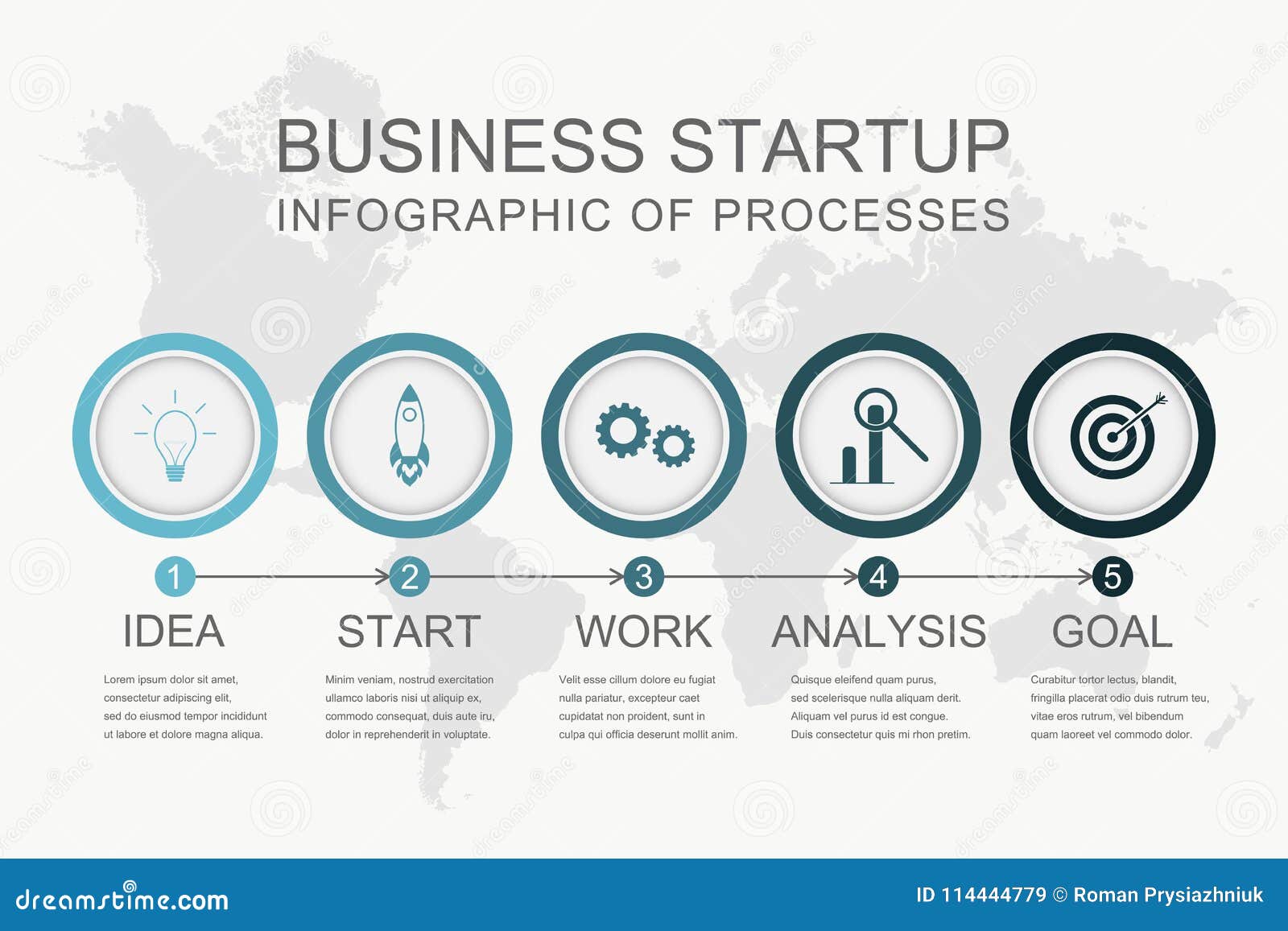
Here are four high-quality, visualized, and infographic tables related to the industry of MindOS:
Please note that these images may not directly depict market share tables related to MindOS, but they are high-quality and relevant infographics that can provide valuable insights for the industry.
The hospitality industry is currently facing numerous challenges due to the ongoing pandemic. As businesses strive to enhance customer experiences while minimizing staff interactions, there is a growing need for innovative solutions. Mindverse, the developers of MindOS, have created a generative AI tool that has the potential to revolutionize the way businesses in the hospitality industry interact with their customers. MindOS offers customizable AI beings that can serve as chatbots and virtual assistants, providing personalized and human-like customer interactions. This industry overview will delve into how MindOS's generative AI can help companies in the hospitality industry, how it works, and the benefits it offers.
Travel booking and reservation sites often experience high cart abandonment rates. MindOS AI chatbots can help address this issue by nudging customers down the sales funnel, boosting conversion rates. By engaging with customers and providing personalized recommendations, the chatbots can increase the likelihood of customers completing their bookings.
MindOS's generative AI assistants enable customers to make, change, or cancel reservations instantly. This feature improves the overall customer experience by providing efficient and convenient booking management options. Customers no longer have to wait for staff assistance, resulting in faster and more seamless transactions.
MindOS AI chatbots can assist guests in finding basic information about a property, such as the wifi password, location of extra linens, and check-in/out times. By providing instant answers to frequently asked questions, these chatbots can save time and resources for front desk and customer service colleagues. This allows staff members to focus on more complex inquiries, enhancing overall operational efficiency.
MindOS's AI assistants seamlessly route customer requests to the appropriate departments, such as reservations, housekeeping, front desk, or concierge desks. By automating this process, businesses can avoid wasted time in call routing and ensure that customer inquiries are directed to the right personnel promptly. This streamlines operations and improves customer satisfaction.
MindOS AI beings can act as shopping assistants, helping customers compare trip options based on their preferences. By offering personalized recommendations and showcasing upsell packages and complimentary services, these chatbots can unlock opportunities for businesses to increase revenue through upselling. This feature allows businesses to maximize their potential and provide tailored offerings to customers.
At the heart of MindOS is the Unified Mind Model (UMM), which allows AI to replicate human thinking and information processing. This enables MindOS to provide accurate and human-like customer interactions by training on industry knowledge and business-specific policies. The UMM system ensures that the chatbot's answers are accurate and identical to natural language, enhancing the overall customer experience. Businesses can rely on MindOS to deliver personalized responses that align with their brand,
In recent years, the field of artificial intelligence has witnessed tremendous growth and advancements. One notable player in this industry is MindOS, an AI marketplace that offers a unique platform for users to interact with AI Beings. These intelligent entities are designed to provide information and guidance on various topics, revolutionizing the way we interact with AI. In this industry forecast, we will delve into the potential of MindOS and its impact on the AI industry.
The AI industry is experiencing exponential growth, with a wide range of applications across various sectors. According to recent market research, the global AI market is projected to reach a value of $190.61 billion by 2025, with a compound annual growth rate (CAGR) of 36.62% during the forecast period. The increasing demand for AI-powered solutions in industries such as healthcare, finance, and retail is driving the market growth.
MindOS has positioned itself as a leading AI marketplace, offering a unique platform for users to engage with AI Beings. With its diverse range of features, including interactive conversations and AI advisors, MindOS is revolutionizing the way individuals and businesses interact with AI technology. The platform's emphasis on reliable and accurate information sets it apart from other AI tools in the market.
The future prospects for MindOS in the AI industry are promising. As the demand for AI-powered solutions continues to grow, MindOS has the potential to capture a significant market share. The platform's ability to provide personalized and reliable information through AI Beings makes it a valuable tool for individuals and businesses alike. Additionally, the free access to MindOS and its paid plans with advanced functionalities cater to a wide range of users, further expanding its market reach.
While MindOS has established itself as a prominent player in the AI industry, it faces certain challenges and opportunities. One of the main challenges is the need to constantly update and train AI Beings to ensure the accuracy and reliability of the information they provide. Additionally, customization options for AI Beings are currently limited, presenting an opportunity for MindOS to enhance its personalization features in future updates.
MindOS is poised to make a significant impact in the AI industry with its innovative platform and AI Beings. The platform's unique features, such as interactive conversations and AI advisors, provide users with reliable and insightful information. With the AI industry projected to experience substantial growth in the coming years, MindOS has the potential to solidify its position as a leading AI marketplace. As the platform evolves and expands its offerings, it will continue to shape the future of AI interactions.
Mindos is an online platform for food order and delivery. It was founded in 2010 and is headquartered in London, United Kingdom. Mindos operates in a highly competitive market with several active competitors.
Mindos faces competition from various players in the food order and delivery industry. Some of its key competitors include:
Mindos ranks 85th among 189 competitors in terms of its overall rank. The company operates in a highly competitive market, with several active competitors. These competitors have received significant funding and have established a strong presence in the industry. Mindos will need to differentiate itself and offer unique value propositions to stay competitive in this market.
The mining industry is facing numerous risks and challenges that require immediate attention and mitigation strategies. These challenges range from environmental and social pressures to geopolitical tensions and technological advancements. Addressing these risks is crucial for the long-term sustainability and success of mining companies. In this section, we will explore the key risks and challenges faced by the mining industry.
The mining industry is under severe scrutiny due to its significant contribution to global greenhouse gas emissions. Mining companies are facing increasing pressure from governments, investors, and society to reduce their carbon footprint and decarbonize their operations. Additionally, stakeholders are demanding that mining companies prioritize social and community impact by treating local communities fairly and respecting their human rights. Mining operations often take place in remote areas, and it is essential to ensure that these communities benefit economically and socially from mining activities. Moreover, water scarcity is a significant challenge for mining companies, particularly in water-stressed areas. To remain competitive, mining companies must incorporate climate, social, and environmental considerations into their corporate strategies and decision-making processes.
The mining industry has always been associated with risks to the health and safety of employees, whether in open-pit or underground mining operations. While the nature of these risks has not changed significantly over the years, the industry is now leveraging digitalization and connectivity to mitigate them. For instance, geo-location tools using smartphones or wearables can help identify the physical location of underground employees in relation to hazards. Furthermore, mining companies are exploring the use of electric trolley systems to replace high-emission and noisy diesel systems, improving safety conditions for workers.
Geopolitical tensions and instability have a direct and indirect impact on the mining sector. Factors such as trade wars, resource nationalism, and political upheaval can disrupt the global supply chain for mining companies. These disruptions can lead to increased costs and supply chain risks, affecting the availability of raw materials, spare parts, and technology. Mining companies must proactively engage with suppliers, governments, and trade bodies to navigate geopolitical challenges and ensure a robust long-term supply chain.
Fluctuating prices, uncertain demands, and the threat of product substitution pose challenges for mining companies. The transition to renewable energy sources, such as battery storage and electric vehicles, is increasing the demand for minerals and materials essential for these technologies. However, mining operators face barriers to accessing capital, obtaining licenses to operate, and operating in limited global markets where these minerals are found. Miners must be prepared to adapt to changing demand and consider scenario modeling and off-take agreements to optimize their risk profiles.
Mining companies are embracing innovation and technology to address productivity, safety, and environmental concerns. Digital technology, such as data modeling and scenario planning, is enabling asset management and delivering long-term value. Remote operating centers and automation are driving significant cost savings and improving health and
The global MindOS industry is set to revolutionize the way businesses interact with their customers and streamline internal processes. Mindverse, a Singapore-based generative AI firm, has developed MindOS, a powerful tool for creating virtual AI beings that can be deployed as chatbots, IVAs, or process automation tools. With its customizable features, extensive language support, and high accuracy in inferring intent, MindOS has the potential to significantly enhance productivity, boost conversions, and reduce mundane tasks in various industries.
MindOS offers several key features and benefits that make it a valuable tool for businesses:
Customizable AI Beings: MindOS allows users to create AI beings with customizable appearances, personalities, knowledge domains, and app integrations. This flexibility enables businesses to tailor their virtual AI beings to match their brand voice and industry-specific requirements.
Multilingual Support: MindOS supports 30 languages, making it accessible to businesses operating in diverse regions and catering to a global customer base. This feature eliminates language barriers and ensures effective communication with customers.
Extensive Pre-designed AI Beings: MindOS provides over 1,000 pre-designed AI beings, enabling businesses to quickly deploy virtual assistants without the need for extensive customization. These pre-designed AI beings cover a wide range of industries and can be easily trained to provide accurate and high-quality responses.
Fine-tuned Conversational Fluency: MindOS utilizes fine-tuned, controllable Language Model (LLM) technology, striking a balance between conversational fluency and providing accurate information. This ensures that AI beings are capable of engaging in natural conversations while aligning with a brand's voice and delivering reliable information.
Rapid Onboarding and Training: MindOS allows AI beings to be trained using unsorted training data sets, such as onboarding manuals, product documents, or full websites. This feature eliminates the need for structured data, enabling businesses to onboard AI beings quickly and efficiently.
The MindOS industry holds significant potential and is expected to witness substantial growth in the coming years. The rise of AI as a Service (AIaaS) has paved the way for innovative solutions like MindOS, which offer businesses the benefits of AI without the need for extensive in-house development.
According to Vision Research Reports, the AIaaS market is projected to reach $96 billion by 2030. This growth indicates a growing demand for AI solutions that can enhance productivity, improve customer service, and automate processes across various industries. MindOS, with its focus on industry-specific knowledge and policies, is well-positioned to capitalize on this market opportunity.
The Closed Beta launch of MindOS, scheduled for April 18, 2023, will provide valuable insights into how target industry insiders can effectively deploy generative AI to solve problems for SMEs and enterprises. The feedback received during this phase will contribute to further refining and enhancing Mind